HerbalPria HerbalPria
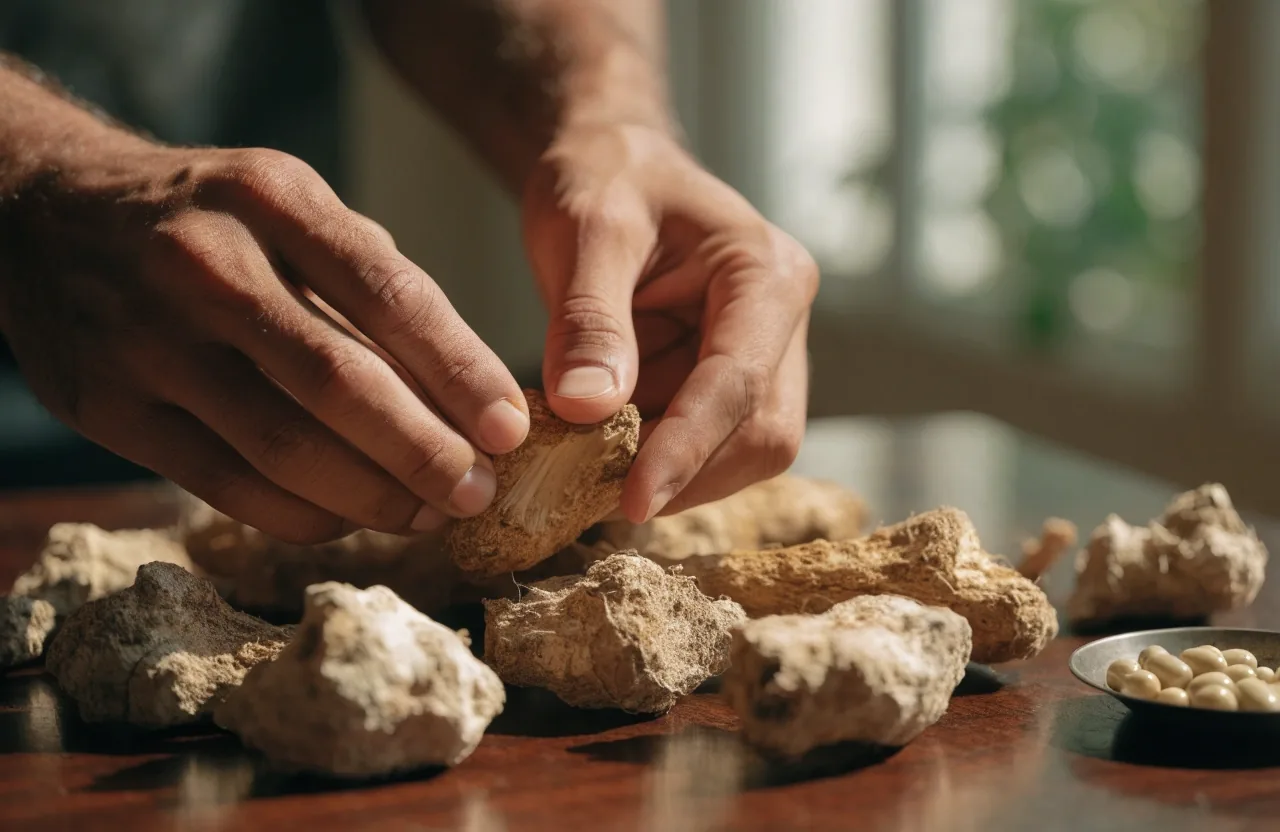
Dried tongkat ali root bundles and pink ceramic trays on a counter in a dim herbal dispensary

HerbalPria · Semarang, Jawa Tengah

A Practical Guide to Men's Supplement Ingredients

This page covers the ingredients you'll actually see on Indonesian shelves, one at a time — what each one is, why it appears in men's vitamin formulas, and how it fits a daily routine.

Read the shelf before you read the label

Walk into any pharmacy or health aisle in Indonesia and you'll find natural supplements for men arranged by brand rather than by ingredient. That order hides the useful part. The same handful of components — tongkat ali, B-vitamins, zinc, magnesium, saw palmetto, vitamin D, selenium — turn up again and again under different names, and once you recognise them, comparing two products takes about two minutes.

Below, each ingredient gets the same treatment: what it is, why it usually appears in men's health support formulas, what form it takes in a capsule or tablet, and the one question worth asking before you buy. No rankings, no scores, no hype. Just the components, in the order people usually ask about them.

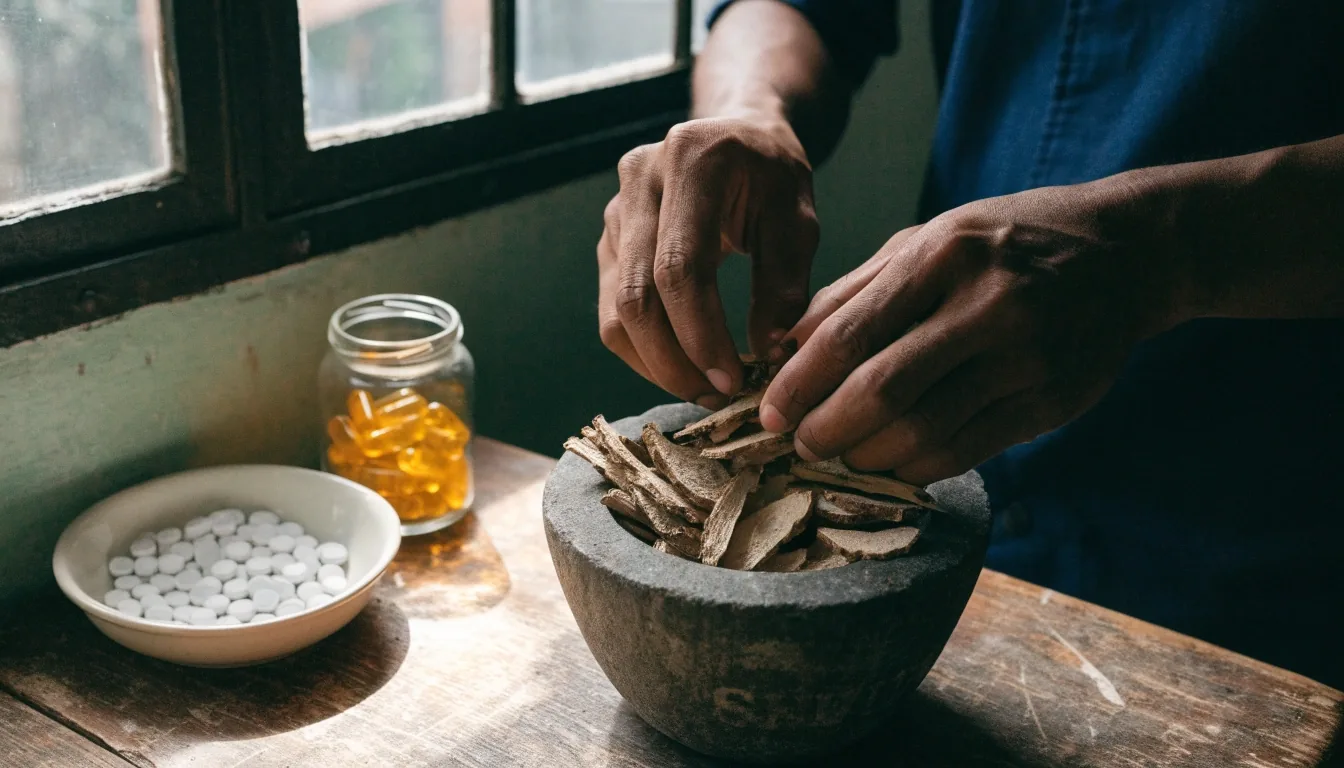
Every ingredient here is admitted the same way: what it is, where it comes from, how it is taken.

The ingredient ledger

Eight entries, each with its usual form and the practical note that matters when you compare products.

root extract

Tongkat ali / Eurycoma longifolia

Capsule, in blends

vitamin group

B-complex

Tablet or capsule

mineral

Zinc

Tablet, in multis

mineral

Magnesium

Citrate, oxide or glycinate

palm extract

Saw palmetto

Softgel, specialty

local blend

Ginseng, Epimedium, Pasak Bumi, Ginkgo

Capsule, multi-botanical

vitamin

Vitamin D

Softgel or tablet

trace mineral

Selenium

Tablet, in multis

Tongkat ali and Eurycoma longifolia

These are the same plant, and the name depends on who's writing the label. Tongkat ali is the Malay and Indonesian name; Eurycoma longifolia is the botanical one.

It's the most recognisable local ingredient in men's wellness content here, often paired with vitality and resilience positioning, and you'll find it in capsule formulas sold across the region. Treat it as one component of a blend rather than the whole story. If a product lists it, the useful next question is how much per serving and what it's combined with — a root extract listed second or third in a blend is doing less work than one that leads the formula.

Dried tongkat ali root pieces and pale capsules arranged on dark green paper

B-complex: the vitamin group behind most formulas

B-complex isn't one vitamin. It's a group that typically includes B1, B2, B6, B12, niacin, pantothenic acid, and biotin. In product descriptions these are commonly linked to energy metabolism, which is a fair way to describe their role. Almost every men's multivitamin includes some B-vitamins, and it's often the first thing people look for.

When comparing labels, check the individual B amounts rather than a single combined number, because blends vary a lot in how they split the group. Two products can both say "B-complex" and still differ meaningfully in how much B12 or B6 each serving carries.

Zinc: small amount, frequent mention

Zinc appears in both mainstream multis and focused formulas, usually alongside magnesium and vitamin D. It's one of the most searched-for minerals in men's supplement content. Daily amounts are small, which is why it's easy to double up accidentally if you take several products.

Read the labels of everything you take together and add the zinc up. That single habit prevents most of the overlap mistakes beginners make, and it costs you nothing but a minute at the shelf.

Magnesium and its many forms

Magnesium shows up in mineral blends and in formulas positioned around recovery support. The form matters for how the label reads: magnesium citrate, oxide, and glycinate are all common, and they're listed differently. If a product names the form, that's a good sign of a transparent label. If it just says "magnesium blend," you learn less.

Pair it in your reading with zinc and vitamin D, since these three often travel together in men's vitamin formulas. Seeing all three named on one panel, with amounts per serving, tells you more about the formula than any front-of-bottle wording.

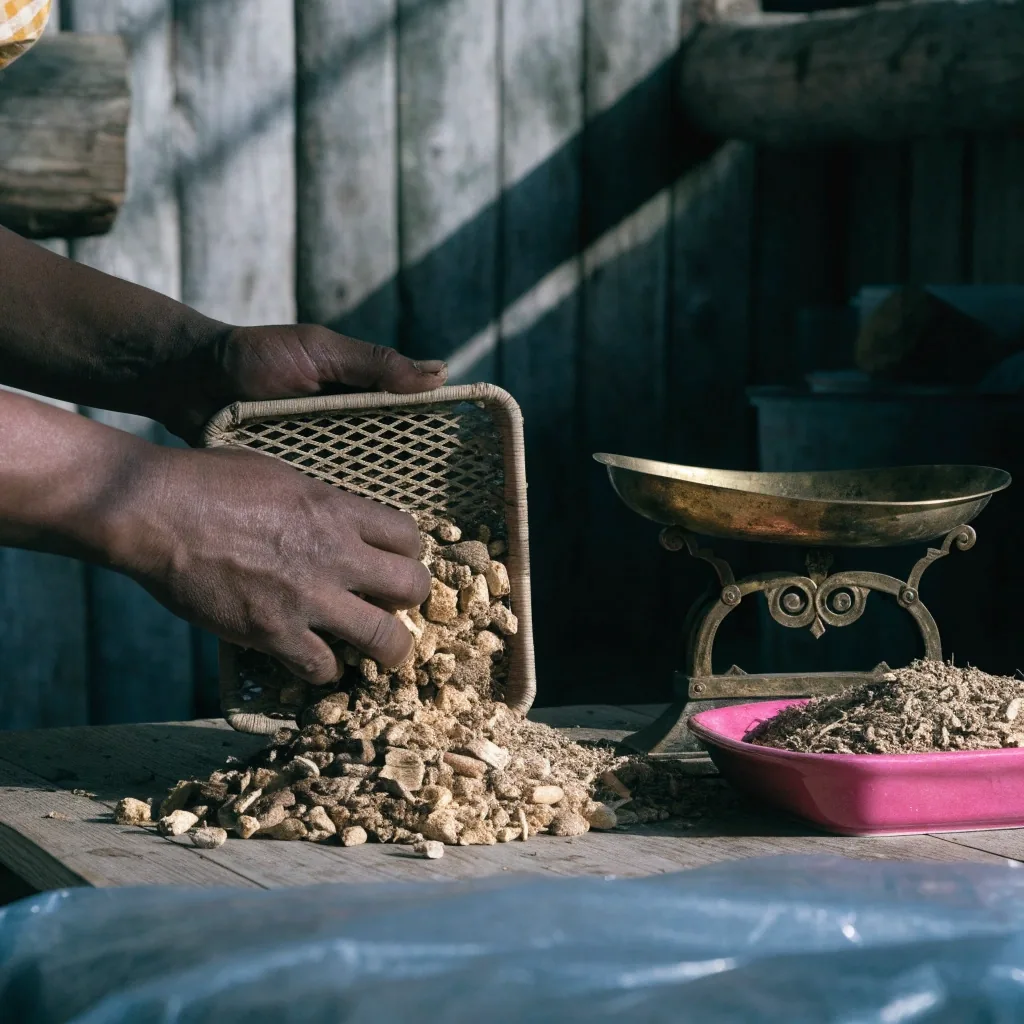
Hands arranging dried root pieces along an apothecary counter beside a brass scale and empty pink tray

Counter work at the hall: root material sorted by hand, trays lined up, capsules counted before a formula is bottled.

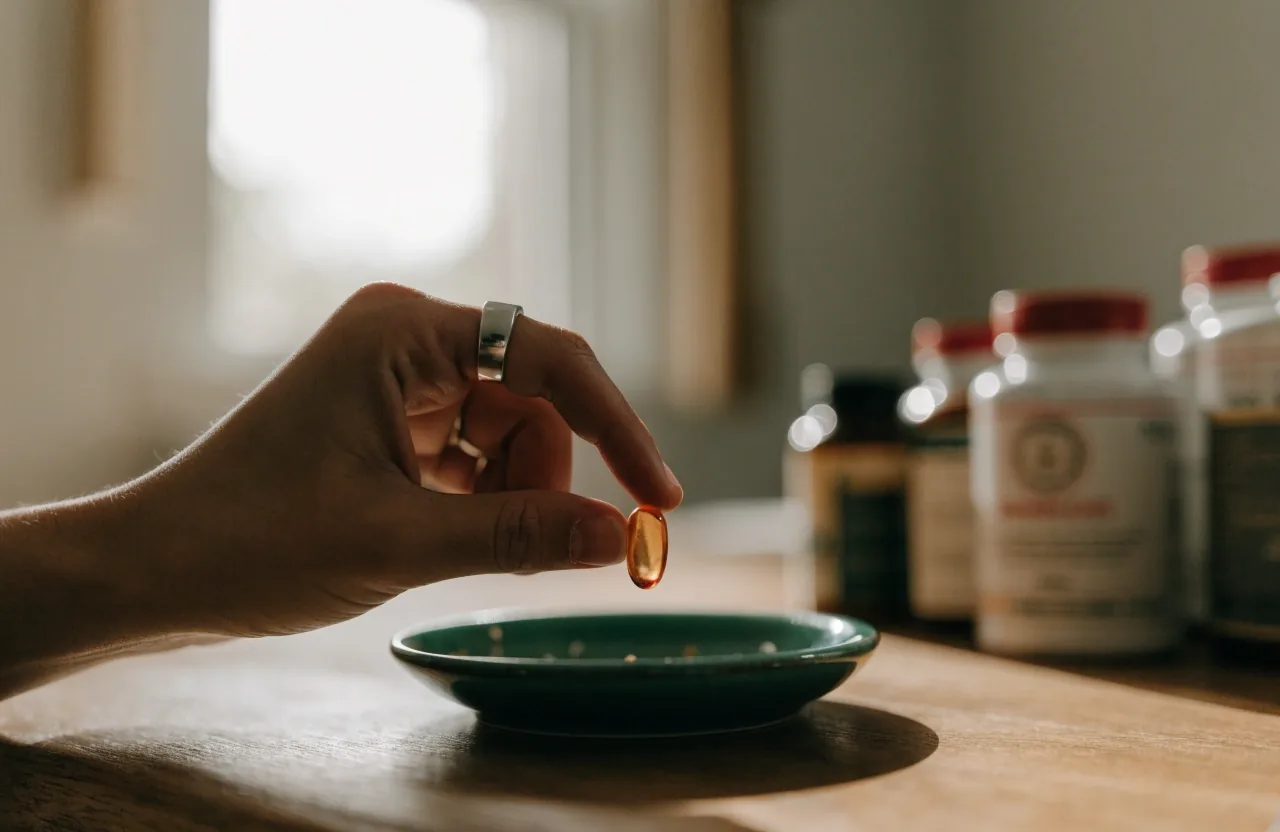
Two softgel capsules resting on the edge of a dark green ceramic dish

Saw palmetto and specialty formulas

Saw palmetto is a palm extract that appears in specialty men's botanical products rather than broad daily multis.

Natural Factors Prostcare is one example in Indonesian retail context: a saw palmetto-based product in softgel format, positioned as a specialty formula rather than an everyday multivitamin. That distinction matters when you're comparing. A specialty softgel is built for a narrower purpose than a broad tablet, and it usually costs more per serving — so it earns its place only when you know exactly what you're buying it for.

A practical way to think about it: broad multis cover the baseline, specialty formulas sit on top. Buying a specialty product to replace a multivitamin usually leaves gaps you'll have to fill elsewhere.

Three shapes of product, side by side

The Indonesian shelf sorts itself into three broad formats. Knowing which one you're looking at tells you how much label-reading the product will ask of you.

Broad daily multivitamin

Tablet, one or two a day

Vitamins and minerals for men across one panel: B-vitamins, zinc, magnesium, vitamin D, selenium. The widest coverage per serving, the least focus on any single ingredient. This is where most people start and where the B-complex question first comes up.

Focused energy and endurance formula

Capsule, targeted blend

A narrower capsule built around a handful of ingredients rather than the full vitamin panel. You'll see tongkat ali, ginseng, or B-vitamins leading the label. Fewer components means each one is easier to trace, but the formula covers less ground overall.

Specialty softgel

Softgel, single focus

One plant extract, oil-based delivery, higher cost per serving. Built for a specific job and usually bought alongside a multivitamin rather than instead of one.

The Indonesian herbal blend pattern

Local formulas often combine several botanicals in one capsule.

NATURELINE Men's Health Kapsul is a clear example: a 30-capsule local product whose formula includes Panax ginseng, Epimedium, Pasak Bumi, Ginkgo biloba, Serenoa repens, and Eurycoma longifolia. That's a typical regional pattern — familiar plants grouped together rather than a single isolated extract.

If you prefer to know exactly what each ingredient contributes, this style asks more label-reading of you. The trade-off is real: you get a wider spread of plant material in one serving, but you have to work harder to judge which of the six is doing the heavy lifting.

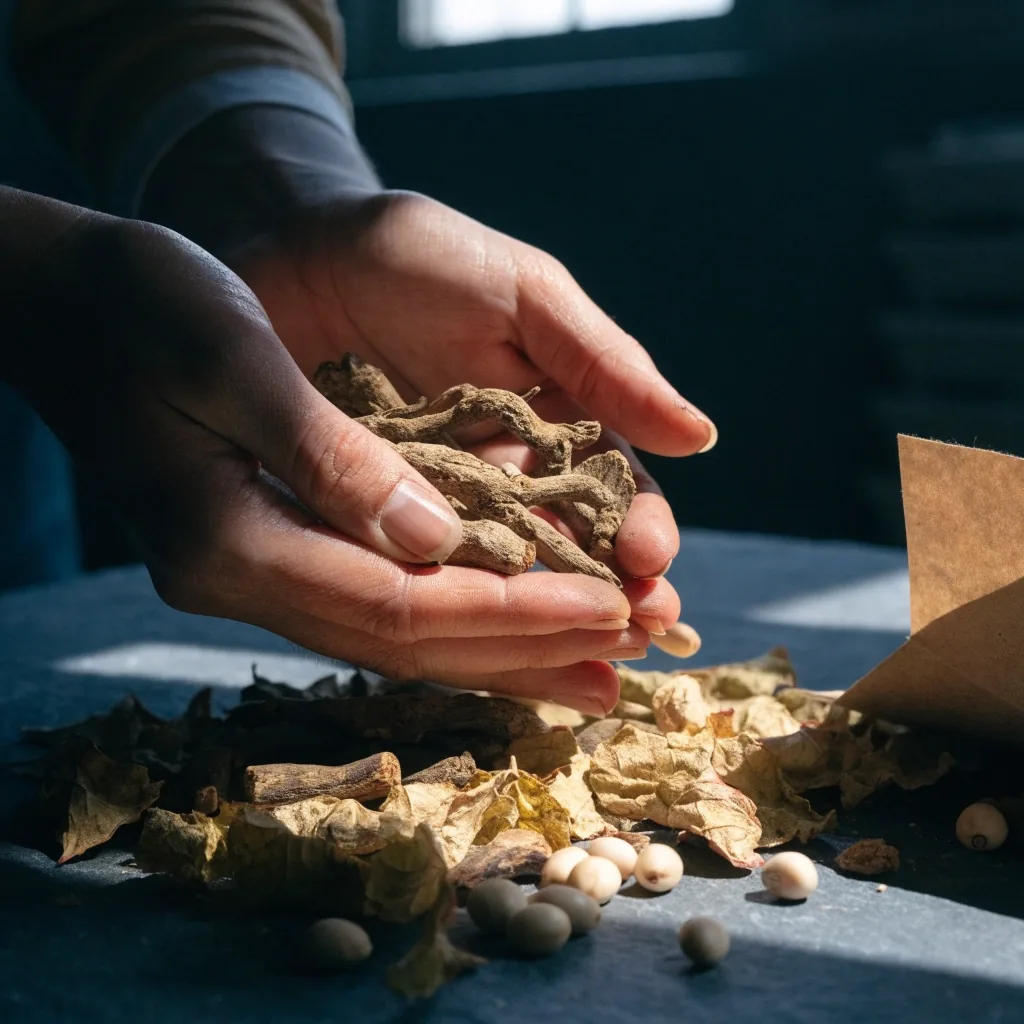
An open brown paper packet spilling mixed dried botanical pieces onto a dark surface

Start at the serving size. Then check whether amounts are per serving or per capsule.

How to read an ingredient panel

Four checks take about two minutes and answer most of what matters. Everything else on the panel is detail you can look up here.

  1. Start at the serving size

    It tells you what the rest of the numbers actually describe. A panel full of impressive-sounding amounts means very little until you know how much one serving is.

  2. Check per serving or per capsule

    These are not always the same number, and the difference changes the arithmetic when you compare two bottles side by side.

  3. Look for named forms

    "Magnesium citrate" or "zinc gluconate" tells you more than "mineral blend". Named forms are a simple signal that the label is written to be read.

  4. Note the capsule or tablet count

    With the serving size, that tells you how long one bottle lasts. A 30-capsule bottle taken twice daily lasts fifteen days, not thirty.

Vitamin D and selenium in the background

Vitamin D and selenium appear in many men's multis without much fanfare. They're usually included in modest amounts as part of the broader mineral and vitamin coverage. Neither tends to headline a product, and that's fine.

When you compare two multivitamins, these are the quiet entries that tell you whether the formula is complete or just focused on the loudest ingredients. A panel that names both, with amounts, reads as a formula built for the whole day rather than for the front of the bottle.

What this guide leaves out

Some words appear in supplement marketing that don't belong on an editorial page. We keep this site to ingredient and format information, so you won't find clinical framing here, and we don't discuss products as remedies.

If a listing leans on that kind of language, it's usually a sign the formula itself has less to say.

Where to go next

Compare how the common formula types differ, then read the buying guide for what to check before you choose a bottle.

Questions readers send in

Is tongkat ali the same as Eurycoma longifolia?

Yes. Tongkat ali is the common regional name; Eurycoma longifolia is the botanical name for the same plant. Labels sometimes carry both, and that isn't a sign of two different ingredients.

Do I need B-complex if I take a multivitamin?

Most men's multis already include B-vitamins. Check the label before adding a separate B-complex, since you may be doubling up on the same group. If the multivitamin already names B6 and B12 with amounts, you have your answer.

Why do some formulas name the magnesium form?

Naming the form (citrate, oxide, glycinate) shows a more transparent label. "Magnesium blend" tells you less about what's inside, so it's harder to compare against a product that lists a specific form with an amount.

How long does a bottle usually last?

Divide the capsule or tablet count by the number of servings you take each day. A 60-capsule bottle at one capsule daily lasts two months; the same bottle at two daily lasts one month. This is why capsule count and serving size are worth reading together.

Questions about a specific label?

Send us a photo of the ingredient panel and we'll help you read it — which parts matter, which parts are decoration, and what the amounts actually say. This page is ingredient information only; it isn't a substitute for advice from a qualified professional.

HerbalPria · Jl. Gajah Mada No. 15, Semarang Tengah, Semarang, Jawa Tengah, 50133

Monday to Friday, 09:00–18:00

+62 24 358 4976 · [email protected]

open weekdays ingredient questions welcome